Understanding Green Building: A Guide to Sustainable and Eco-Friendly Architecture
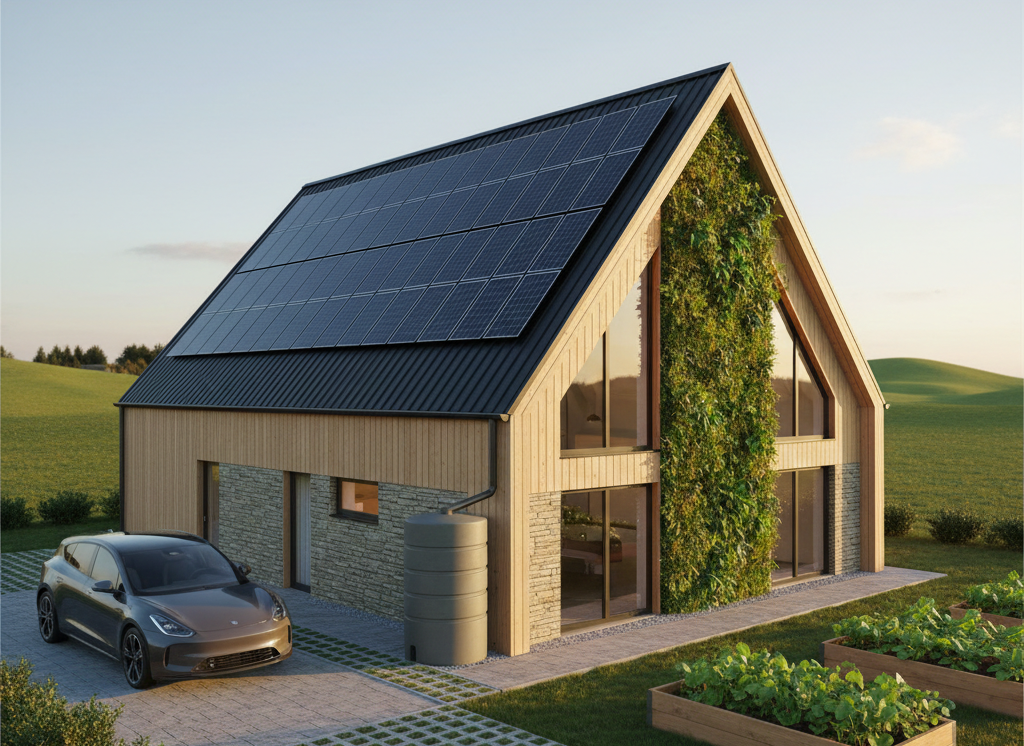
When we think about being “eco-friendly,” we usually think about recycling plastic bottles or using paper straws. But did you know that the buildings we live and work in have one of the biggest impacts on our planet? Most traditional buildings use a massive amount of energy, waste water, and create a lot of pollution.
That is where Green Building comes in. It is a smarter, healthier way to build houses and offices that work with nature instead of against it. In this guide, we will explain exactly what green building is, why it matters, and how it can actually save you money.
What is a Green Building?
A Green Building is a building that is planned, designed, constructed, and operated in a way that reduces harm to the environment and improves human health and comfort throughout its life cycle.
Think of a normal house like an old car that gulps down gas and leaks oil. A green building is like a modern electric car—it’s clean, efficient, and uses smart technology to do more with less.
In simple words
👉 A green building uses less water, less energy, and fewer natural resources, while creating a healthy and comfortable space for people.
🌱 What Makes a Building “Green”?
To make a building “green,” architects and builders focus on a few key areas. Here is the breakdown in simple terms:
🌞 1. Energy Efficiency
🌞 Uses natural daylight to reduce artificial lighting.
💡 Uses LED lights and energy-efficient appliances to save electricity.
🧱 Uses proper insulation in walls and roofs to reduce heat gain.
☀️ Uses solar panels to generate clean and renewable energy.
💧 2. Water Efficiency
🚰 Uses low-flow taps, showers, and dual-flush toilets to save water.
🌧️ Uses rainwater harvesting to collect and store rainwater.
💧 Reduces dependency on municipal water and borewells.
🧱 3. Better Materials
🧱 Uses environment-friendly and “kind” materials that cause less pollution.
♻️ Uses recycled materials like reclaimed wood and recycled metal.
📍 Uses local materials to reduce transportation distance and fuel consumption.
🎨 Uses non-toxic, Low-VOC paints to avoid harmful chemical smells.
😊 Improves indoor air quality and prevents headaches and breathing problems.
♻️ 4. Sewage Treatment Plant (STP)
🚽 Collects wastewater from toilets, bathrooms, and kitchens.
⚙️ Treats wastewater to make it reusable.
🌿 Reuses treated water for flushing, gardening, and cleaning.
🌍 Reduces freshwater usage and environmental pollution.
🌬️ 5. Natural Ventilation & Daylighting
🌬️ Improves cross ventilation for fresh air movement.
🌤️ Allows maximum natural light inside rooms.
❄️ Reduces the need for air-conditioning and artificial lighting.
🚮 6. Waste Management
🗑️ Segregates waste into wet, dry, and recyclable waste.
♻️ Recycles construction and household waste.
🚯 Reduces landfill waste and keeps surroundings clean.
Why Green Buildings Are Necessary 🌱
Green buildings are necessary because traditional buildings consume too much energy and water and cause environmental and health problems.
🌍 Natural resources are limited: Green buildings reduce overuse of water, electricity, and raw materials.
💧 Water scarcity is increasing: Rainwater harvesting and STP help save and reuse water.
⚡ High energy consumption: Energy-efficient design and solar power reduce electricity demand.
🌫️ Pollution & climate change: Lower energy use means fewer carbon emissions and cleaner air.
🏡 Health issues in buildings: Non-toxic materials and better ventilation improve indoor air quality.
💰 Rising utility costs: Green buildings reduce long-term electricity and water bills.
🚮 Too much construction waste: Recycling and better material use reduce landfill pressure.
🌱 Future sustainability: Green buildings protect the environment for future generations.
🌱 Benefits of Green Buildings
💰 Lower operating cost: Saves electricity and water, reducing monthly bills.
⚡ Energy efficiency: Uses solar power, LED lighting, and natural daylight.
💧 Water savings: Rainwater harvesting and STP reduce freshwater consumption.
🌿 Better health: Low-VOC paints and good ventilation improve indoor air quality.
🏡 Comfortable living: Better temperature control and natural lighting increase comfort.
🌍 Eco-friendly: Reduces pollution and carbon footprint.
🚮 Less waste: Encourages recycling and proper waste management.
📈 Higher property value: Green buildings have better resale and rental value.
🌱 Sustainable future: Conserves natural resources for future generations.
Leave a Reply